Buy bürobedarf.eu ?
We are moving the project
bürobedarf.eu .
Are you interested in purchasing the domain
bürobedarf.eu ?
domain@kv-gmbh.de · 0541-91531010
Buy bürobedarf.eu ?
Which tenses exist in Swiss German that only have two tenses?
In Swiss German, there are two tenses that only have two forms: the present tense and the past tense. The present tense is used to talk about actions happening in the present, while the past tense is used to talk about actions that have already happened. Unlike in Standard German, there is no distinction between the simple past and the present perfect tense in Swiss German. **
Which tenses are related?
The tenses that are related in English are the simple present, simple past, and simple future tenses. These tenses are the basic forms of verb conjugation and are used to express actions or states that occur in the present, past, or future respectively. They are often used as building blocks for more complex tenses and can be combined with auxiliary verbs to convey different shades of meaning. Understanding the relationship between these tenses is essential for mastering English grammar. **


Similar search terms for Tenses
Top-Angebote
Products related to Tenses:
-
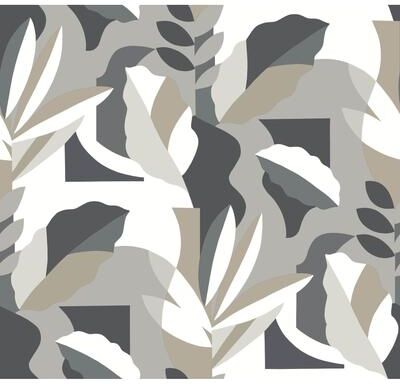
York Wallcoverings Papier Colle Black & White WallpaperTropical flora has been reduced and reimagined as a series of striking color blocked forms in Papier Colle, the leaves inked in shades of grey, white, and black, This Papier Colle Wallpaper measures approximately 27 inches wide by 27 feet long,...144,50 $*Shipping: 0,00 $Secure redirect to the provider
-
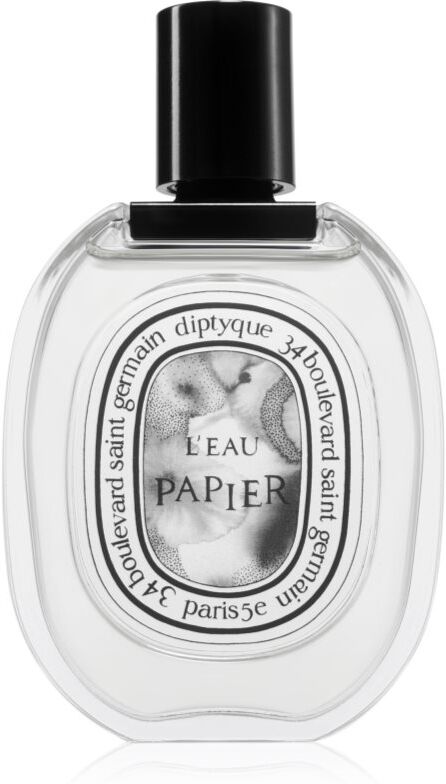
Diptyque L'Eau Papier EDT U 100 mlDiptyque L'Eau Papier, 100 ml, Eaux de Toilette unisex, Diptyque L'Eau Papier unisex Eau de Toilette represents a perfect harmony of freshness and fruity notes. This fragrance full of sparkling energy will become your trusted companion not just in the summer. a fragrance that doesn’t conform to trends a fresh combination making it possible to discover a fragrance that will captivate you utterly unisex – suitable for both women and men181,05 £*Shipping: 3,99 £Secure redirect to the provider
-
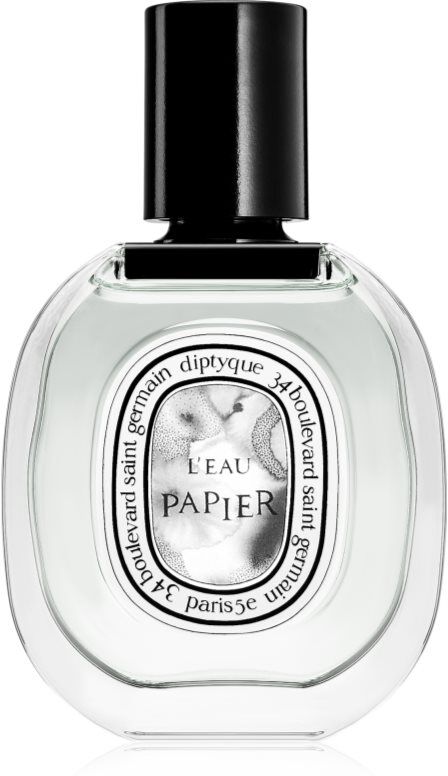
Diptyque L'Eau Papier EDT U 50 mlDiptyque L'Eau Papier, 50 ml, Eaux de Toilette unisex, Diptyque L'Eau Papier unisex Eau de Toilette represents a perfect harmony of freshness and fruity notes. This fragrance full of sparkling energy will become your trusted companion not just in the summer. a fragrance that doesn’t conform to trends a fresh combination making it possible to discover a fragrance that will captivate you utterly unisex – suitable for both women and men130,05 £*Shipping: 3,99 £Secure redirect to the provider

-
Which tenses are there in Swiss German that have only two tenses?
In Swiss German, there are two tenses that have only two forms: the present tense and the past tense. The present tense is used to describe actions happening in the present moment, while the past tense is used to talk about actions that have already happened. Unlike Standard German, Swiss German does not have a separate future tense, so speakers use the present tense or auxiliary verbs to indicate future actions. **
-
Which tenses exist in Swiss German where there are only two tenses?
In Swiss German, the two tenses that exist are the present tense and the past tense. The present tense is used to describe actions that are currently happening or habitual actions, while the past tense is used to talk about actions that have already occurred. Swiss German does not have a separate future tense, as the present tense can also be used to express future actions. **
-
Which tenses are there in Swiss German that only have two tenses?
In Swiss German, there are two tenses that only have two forms: present and past. The present tense is used to describe actions happening in the present moment, while the past tense is used to talk about actions that have already occurred. These two tenses are commonly used in everyday conversations in Swiss German. **
-
What are the English tenses?
The English language has 12 tenses, which are divided into three main categories: past, present, and future. Each category has four tenses: simple, continuous, perfect, and perfect continuous. The simple tenses refer to actions that are completed at a specific time, the continuous tenses refer to actions that are ongoing or in progress, the perfect tenses refer to actions that are completed before a specific time, and the perfect continuous tenses refer to actions that started in the past and are still ongoing. Understanding these tenses is essential for effective communication in English. **

What are the French tenses?
The French language has several tenses, including the present, past, and future tenses. The present tense is used to talk about actions happening in the present or habitual actions. The past tense is used to talk about completed actions in the past, and it has several forms such as the passé composé and the imparfait. The future tense is used to talk about actions that will happen in the future. Additionally, French has other tenses such as the conditional and the subjunctive, which are used to express hypothetical or uncertain actions. **
Which two tenses are possible?
The two tenses that are possible are the present tense and the past tense. The present tense is used to describe actions that are currently happening or are generally true, while the past tense is used to describe actions that have already occurred. These two tenses allow us to convey different time frames and perspectives in our writing and speech. **
Top-Angebote
Products related to Tenses:
-
York Wallcoverings Papier Colle Black & White WallpaperTropical flora has been reduced and reimagined as a series of striking color blocked forms in Papier Colle, the leaves inked in shades of grey, white, and black, This Papier Colle Wallpaper measures approximately 27 inches wide by 27 feet long,...144,50 $*Shipping: 0,00 $Secure redirect to the provider
-
Which tenses exist in Swiss German that only have two tenses?
In Swiss German, there are two tenses that only have two forms: the present tense and the past tense. The present tense is used to talk about actions happening in the present, while the past tense is used to talk about actions that have already happened. Unlike in Standard German, there is no distinction between the simple past and the present perfect tense in Swiss German. **
-
Which tenses are related?
The tenses that are related in English are the simple present, simple past, and simple future tenses. These tenses are the basic forms of verb conjugation and are used to express actions or states that occur in the present, past, or future respectively. They are often used as building blocks for more complex tenses and can be combined with auxiliary verbs to convey different shades of meaning. Understanding the relationship between these tenses is essential for mastering English grammar. **
-
Which tenses are there in Swiss German that have only two tenses?
In Swiss German, there are two tenses that have only two forms: the present tense and the past tense. The present tense is used to describe actions happening in the present moment, while the past tense is used to talk about actions that have already happened. Unlike Standard German, Swiss German does not have a separate future tense, so speakers use the present tense or auxiliary verbs to indicate future actions. **
-
Which tenses exist in Swiss German where there are only two tenses?
In Swiss German, the two tenses that exist are the present tense and the past tense. The present tense is used to describe actions that are currently happening or habitual actions, while the past tense is used to talk about actions that have already occurred. Swiss German does not have a separate future tense, as the present tense can also be used to express future actions. **
Similar search terms for Tenses
-
Diptyque L'Eau Papier EDT U 100 mlDiptyque L'Eau Papier, 100 ml, Eaux de Toilette unisex, Diptyque L'Eau Papier unisex Eau de Toilette represents a perfect harmony of freshness and fruity notes. This fragrance full of sparkling energy will become your trusted companion not just in the summer. a fragrance that doesn’t conform to trends a fresh combination making it possible to discover a fragrance that will captivate you utterly unisex – suitable for both women and men181,05 £*Shipping: 3,99 £Secure redirect to the provider
-
Diptyque L'Eau Papier EDT U 50 mlDiptyque L'Eau Papier, 50 ml, Eaux de Toilette unisex, Diptyque L'Eau Papier unisex Eau de Toilette represents a perfect harmony of freshness and fruity notes. This fragrance full of sparkling energy will become your trusted companion not just in the summer. a fragrance that doesn’t conform to trends a fresh combination making it possible to discover a fragrance that will captivate you utterly unisex – suitable for both women and men130,05 £*Shipping: 3,99 £Secure redirect to the provider
-
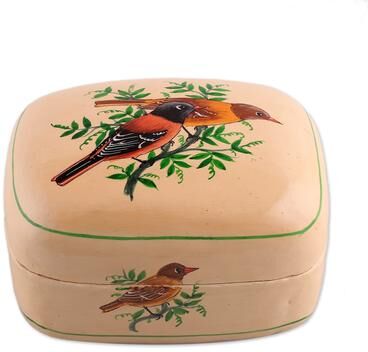
Novica Handmade Bird Saga Papier Mache Decorative BoxNature inspires many with its tender elements full of symbolic messages. Artisan Mohammad Hussain Baba is also captivated by the landscapes and species around the Indian region, capturing their beauty in this papier mache decorative box.75,98 $*Shipping: 0,00 $Secure redirect to the provider
-
Novica Handmade Valley Saga Papier Mache Decorative BoxNature inspires many with its harmonious elements full of symbolic messages. Artisan Mohammad Hussain Baba is also captivated by the landscapes and species around the Indian region, capturing their magnificence in this papier mache decorative box.75,98 $*Shipping: 0,00 $Secure redirect to the provider
-
Which tenses are there in Swiss German that only have two tenses?
In Swiss German, there are two tenses that only have two forms: present and past. The present tense is used to describe actions happening in the present moment, while the past tense is used to talk about actions that have already occurred. These two tenses are commonly used in everyday conversations in Swiss German. **
-
What are the English tenses?
The English language has 12 tenses, which are divided into three main categories: past, present, and future. Each category has four tenses: simple, continuous, perfect, and perfect continuous. The simple tenses refer to actions that are completed at a specific time, the continuous tenses refer to actions that are ongoing or in progress, the perfect tenses refer to actions that are completed before a specific time, and the perfect continuous tenses refer to actions that started in the past and are still ongoing. Understanding these tenses is essential for effective communication in English. **
-
What are the French tenses?
The French language has several tenses, including the present, past, and future tenses. The present tense is used to talk about actions happening in the present or habitual actions. The past tense is used to talk about completed actions in the past, and it has several forms such as the passé composé and the imparfait. The future tense is used to talk about actions that will happen in the future. Additionally, French has other tenses such as the conditional and the subjunctive, which are used to express hypothetical or uncertain actions. **
-
Which two tenses are possible?
The two tenses that are possible are the present tense and the past tense. The present tense is used to describe actions that are currently happening or are generally true, while the past tense is used to describe actions that have already occurred. These two tenses allow us to convey different time frames and perspectives in our writing and speech. **
* All prices are inclusive of VAT and, if applicable, plus shipping costs. The offer information is based on the details provided by the respective shop and is updated through automated processes. Real-time updates do not occur, so deviations can occur in individual cases. ** Note: Parts of this content were created by AI.