Buy bürobedarf.eu ?
We are moving the project
bürobedarf.eu .
Are you interested in purchasing the domain
bürobedarf.eu ?
domain@kv-gmbh.de · 0541-91531010
Buy bürobedarf.eu ?
How do non-homologous recombination and homologous recombination work?
Non-homologous recombination involves the joining of two DNA molecules at non-homologous sequences, resulting in the insertion, deletion, or rearrangement of genetic material. This process is often error-prone and can lead to mutations. Homologous recombination, on the other hand, involves the exchange of genetic material between two similar DNA molecules, typically occurring during meiosis. This process is important for repairing DNA damage and ensuring genetic diversity. It involves the exchange of genetic material between homologous chromosomes, resulting in the formation of new combinations of genes. **
What is the difference between interchromosomal recombination and intrachromosomal recombination?
Interchromosomal recombination involves the exchange of genetic material between two different chromosomes, while intrachromosomal recombination involves the exchange of genetic material within the same chromosome. Interchromosomal recombination can result in the creation of new combinations of genes from different chromosomes, leading to genetic diversity. In contrast, intrachromosomal recombination can lead to the repair of DNA damage or the creation of genetic variation within the same chromosome. Both processes are important for genetic diversity and evolution. **


Similar search terms for Recombination
Top-Angebote
Products related to Recombination:
-
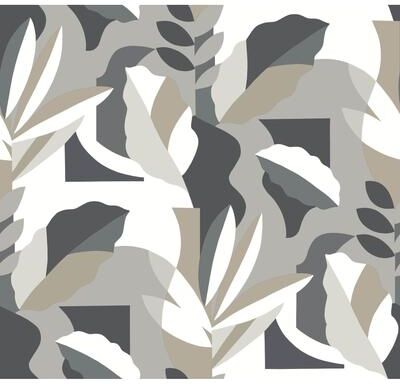
York Wallcoverings Papier Colle Black & White WallpaperTropical flora has been reduced and reimagined as a series of striking color blocked forms in Papier Colle, the leaves inked in shades of grey, white, and black, This Papier Colle Wallpaper measures approximately 27 inches wide by 27 feet long,...144,50 $*Shipping: 0,00 $Secure redirect to the provider
-
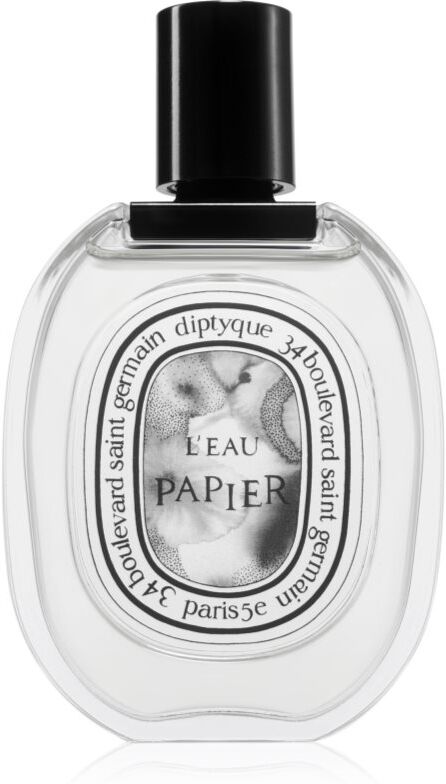
Diptyque L'Eau Papier EDT U 100 mlDiptyque L'Eau Papier, 100 ml, Eaux de Toilette unisex, Diptyque L'Eau Papier unisex Eau de Toilette represents a perfect harmony of freshness and fruity notes. This fragrance full of sparkling energy will become your trusted companion not just in the summer. a fragrance that doesn’t conform to trends a fresh combination making it possible to discover a fragrance that will captivate you utterly unisex – suitable for both women and men161,50 £*Shipping: 3,99 £Secure redirect to the provider
-
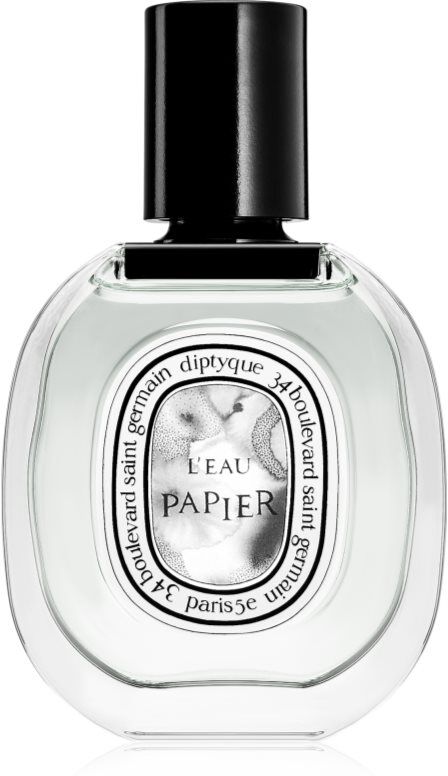
Diptyque L'Eau Papier EDT U 50 mlDiptyque L'Eau Papier, 50 ml, Eaux de Toilette unisex, Diptyque L'Eau Papier unisex Eau de Toilette represents a perfect harmony of freshness and fruity notes. This fragrance full of sparkling energy will become your trusted companion not just in the summer. a fragrance that doesn’t conform to trends a fresh combination making it possible to discover a fragrance that will captivate you utterly unisex – suitable for both women and men115,60 £*Shipping: 3,99 £Secure redirect to the provider

-
What is the difference between intrachromosomal recombination and interchromosomal recombination?
Intrachromosomal recombination occurs between two different regions of the same chromosome, leading to the exchange of genetic material within the same chromosome. On the other hand, interchromosomal recombination involves the exchange of genetic material between two different chromosomes. Intrachromosomal recombination can lead to the creation of genetic diversity within a single chromosome, while interchromosomal recombination can result in the exchange of genetic material between different chromosomes, leading to genetic diversity among different chromosomes. **
-
What is recombination in biology?
Recombination in biology refers to the process by which genetic material from two different sources is combined to produce a new combination of genes. This can occur through sexual reproduction, where genetic material from two parents is combined to create offspring with a unique genetic makeup. Recombination plays a crucial role in generating genetic diversity within populations, which is important for evolution and adaptation to changing environments. In organisms that reproduce sexually, recombination occurs during meiosis, where homologous chromosomes exchange genetic material through a process called crossing over. **
-
What is recombination and genetic variability?
Recombination is the process by which genetic material is exchanged between two similar molecules of DNA, resulting in new combinations of genes. This process occurs during meiosis, the cell division that produces gametes (sperm and egg cells). Genetic variability refers to the diversity of genetic material within a population, which is influenced by factors such as recombination, mutations, and gene flow. Recombination plays a key role in generating genetic variability by creating new combinations of genes, which can lead to increased diversity and adaptation within a population. **
-
How does crossing-over influence recombination?
Crossing-over is a process during meiosis where homologous chromosomes exchange genetic material. This exchange of genetic material results in new combinations of alleles on the chromosomes, leading to genetic recombination. By shuffling genetic material between homologous chromosomes, crossing-over increases genetic diversity in offspring and can result in the creation of new combinations of traits. This process is essential for generating genetic variation within a population and plays a crucial role in evolution. **

How many offspring are produced through recombination?
Recombination typically results in two offspring being produced. This is because during recombination, genetic material from two parent organisms is combined to create a new individual with a unique combination of traits. This process allows for genetic diversity and variation within a population. **
When does disproportionation occur instead of recombination?
Disproportionation occurs when a single species is both oxidized and reduced in a reaction, leading to the formation of two different products with different oxidation states. This process typically occurs when the species involved can exist in multiple oxidation states and there is no suitable reactant available for recombination. In contrast, recombination occurs when two species with different oxidation states combine to form a single product with an intermediate oxidation state. **
Top-Angebote
Products related to Recombination:
-
York Wallcoverings Papier Colle Black & White WallpaperTropical flora has been reduced and reimagined as a series of striking color blocked forms in Papier Colle, the leaves inked in shades of grey, white, and black, This Papier Colle Wallpaper measures approximately 27 inches wide by 27 feet long,...144,50 $*Shipping: 0,00 $Secure redirect to the provider
-
How do non-homologous recombination and homologous recombination work?
Non-homologous recombination involves the joining of two DNA molecules at non-homologous sequences, resulting in the insertion, deletion, or rearrangement of genetic material. This process is often error-prone and can lead to mutations. Homologous recombination, on the other hand, involves the exchange of genetic material between two similar DNA molecules, typically occurring during meiosis. This process is important for repairing DNA damage and ensuring genetic diversity. It involves the exchange of genetic material between homologous chromosomes, resulting in the formation of new combinations of genes. **
-
What is the difference between interchromosomal recombination and intrachromosomal recombination?
Interchromosomal recombination involves the exchange of genetic material between two different chromosomes, while intrachromosomal recombination involves the exchange of genetic material within the same chromosome. Interchromosomal recombination can result in the creation of new combinations of genes from different chromosomes, leading to genetic diversity. In contrast, intrachromosomal recombination can lead to the repair of DNA damage or the creation of genetic variation within the same chromosome. Both processes are important for genetic diversity and evolution. **
-
What is the difference between intrachromosomal recombination and interchromosomal recombination?
Intrachromosomal recombination occurs between two different regions of the same chromosome, leading to the exchange of genetic material within the same chromosome. On the other hand, interchromosomal recombination involves the exchange of genetic material between two different chromosomes. Intrachromosomal recombination can lead to the creation of genetic diversity within a single chromosome, while interchromosomal recombination can result in the exchange of genetic material between different chromosomes, leading to genetic diversity among different chromosomes. **
-
What is recombination in biology?
Recombination in biology refers to the process by which genetic material from two different sources is combined to produce a new combination of genes. This can occur through sexual reproduction, where genetic material from two parents is combined to create offspring with a unique genetic makeup. Recombination plays a crucial role in generating genetic diversity within populations, which is important for evolution and adaptation to changing environments. In organisms that reproduce sexually, recombination occurs during meiosis, where homologous chromosomes exchange genetic material through a process called crossing over. **
Similar search terms for Recombination
-
Diptyque L'Eau Papier EDT U 100 mlDiptyque L'Eau Papier, 100 ml, Eaux de Toilette unisex, Diptyque L'Eau Papier unisex Eau de Toilette represents a perfect harmony of freshness and fruity notes. This fragrance full of sparkling energy will become your trusted companion not just in the summer. a fragrance that doesn’t conform to trends a fresh combination making it possible to discover a fragrance that will captivate you utterly unisex – suitable for both women and men161,50 £*Shipping: 3,99 £Secure redirect to the provider
-
Diptyque L'Eau Papier EDT U 50 mlDiptyque L'Eau Papier, 50 ml, Eaux de Toilette unisex, Diptyque L'Eau Papier unisex Eau de Toilette represents a perfect harmony of freshness and fruity notes. This fragrance full of sparkling energy will become your trusted companion not just in the summer. a fragrance that doesn’t conform to trends a fresh combination making it possible to discover a fragrance that will captivate you utterly unisex – suitable for both women and men115,60 £*Shipping: 3,99 £Secure redirect to the provider
-
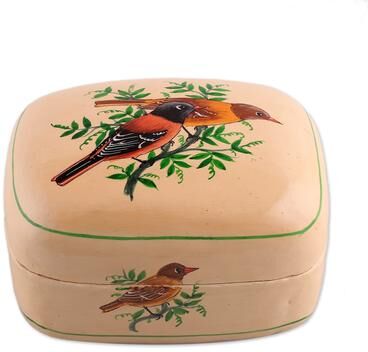
Novica Handmade Bird Saga Papier Mache Decorative BoxNature inspires many with its tender elements full of symbolic messages. Artisan Mohammad Hussain Baba is also captivated by the landscapes and species around the Indian region, capturing their beauty in this papier mache decorative box.75,98 $*Shipping: 0,00 $Secure redirect to the provider
-
Novica Handmade Valley Saga Papier Mache Decorative BoxNature inspires many with its harmonious elements full of symbolic messages. Artisan Mohammad Hussain Baba is also captivated by the landscapes and species around the Indian region, capturing their magnificence in this papier mache decorative box.75,98 $*Shipping: 0,00 $Secure redirect to the provider
-
What is recombination and genetic variability?
Recombination is the process by which genetic material is exchanged between two similar molecules of DNA, resulting in new combinations of genes. This process occurs during meiosis, the cell division that produces gametes (sperm and egg cells). Genetic variability refers to the diversity of genetic material within a population, which is influenced by factors such as recombination, mutations, and gene flow. Recombination plays a key role in generating genetic variability by creating new combinations of genes, which can lead to increased diversity and adaptation within a population. **
-
How does crossing-over influence recombination?
Crossing-over is a process during meiosis where homologous chromosomes exchange genetic material. This exchange of genetic material results in new combinations of alleles on the chromosomes, leading to genetic recombination. By shuffling genetic material between homologous chromosomes, crossing-over increases genetic diversity in offspring and can result in the creation of new combinations of traits. This process is essential for generating genetic variation within a population and plays a crucial role in evolution. **
-
How many offspring are produced through recombination?
Recombination typically results in two offspring being produced. This is because during recombination, genetic material from two parent organisms is combined to create a new individual with a unique combination of traits. This process allows for genetic diversity and variation within a population. **
-
When does disproportionation occur instead of recombination?
Disproportionation occurs when a single species is both oxidized and reduced in a reaction, leading to the formation of two different products with different oxidation states. This process typically occurs when the species involved can exist in multiple oxidation states and there is no suitable reactant available for recombination. In contrast, recombination occurs when two species with different oxidation states combine to form a single product with an intermediate oxidation state. **
* All prices are inclusive of VAT and, if applicable, plus shipping costs. The offer information is based on the details provided by the respective shop and is updated through automated processes. Real-time updates do not occur, so deviations can occur in individual cases. ** Note: Parts of this content were created by AI.